
🧠 Vascular Neurosurgery
Advanced Care for Brain & Spinal Blood Vessel Disorders
Introduction
Vascular neurosurgery is a highly specialized field of neurosurgery focused on the diagnosis and treatment of disorders affecting the blood vessels of the brain and spinal cord. These conditions are among the most delicate and potentially life-threatening neurological diseases, as they directly impact blood flow to vital neural tissues.
Advances in microsurgery, imaging, and endovascular techniques have dramatically improved outcomes, allowing surgeons to treat complex vascular conditions with greater safety and precision than ever before.
Understanding the Cerebrovascular System
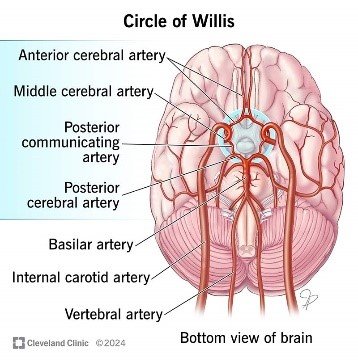
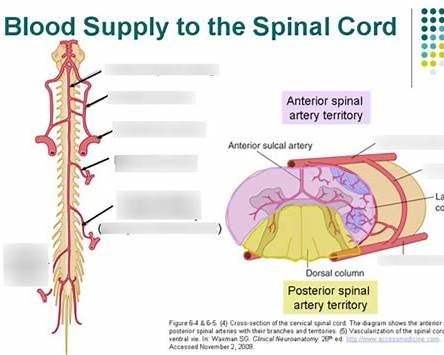
The brain and spinal cord depend on a continuous and well-regulated blood supply delivered through a complex network of arteries, veins, and capillaries. Any disruption in this system—whether through blockage, abnormal connections, or vessel weakness—can lead to stroke, hemorrhage, or permanent neurological damage.
Common Conditions Treated in Vascular Neurosurgery
1. Cerebral Aneurysms
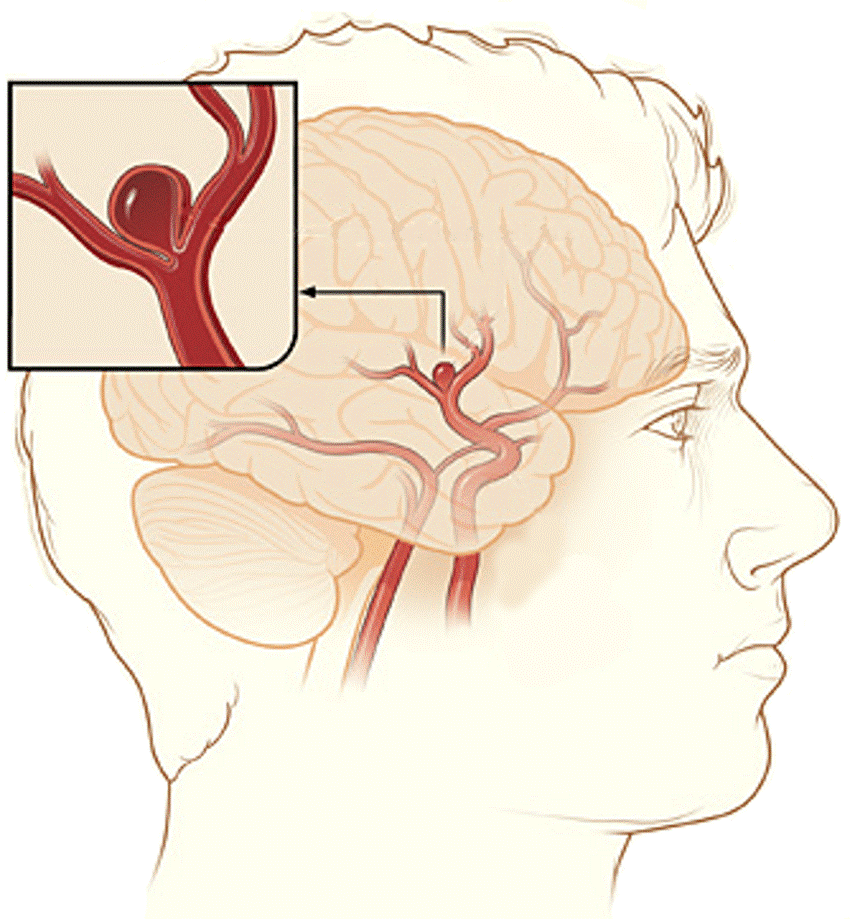
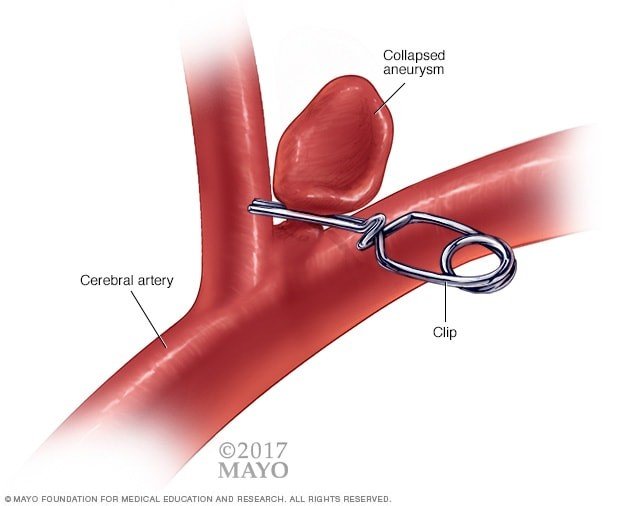
A cerebral aneurysm is a localized weakening and ballooning of a blood vessel wall in the brain. If left untreated, it may rupture and cause a life-threatening brain hemorrhage.
Symptoms may include:
- Sudden severe headache
- Nausea and vomiting
- Loss of consciousness
- Neurological deficits
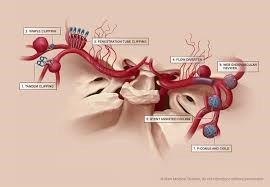
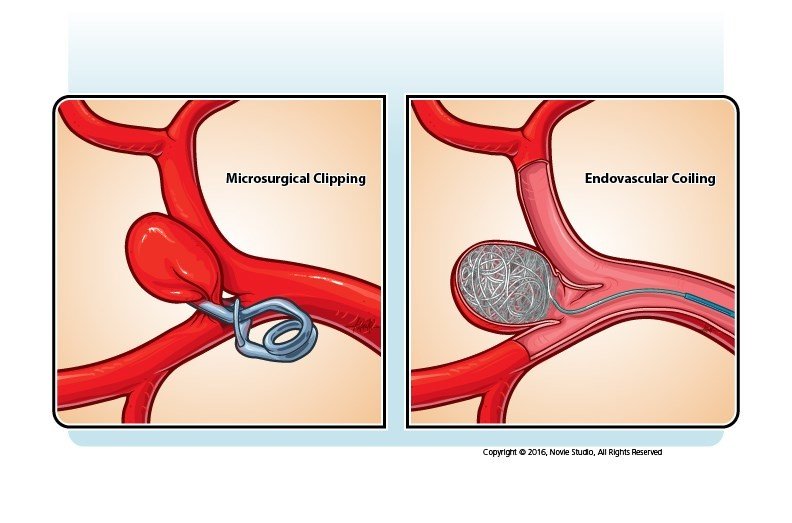
Treatment options include microsurgical clipping or endovascular techniques depending on aneurysm size, shape, and location.
2. Arteriovenous Malformations (AVMs)
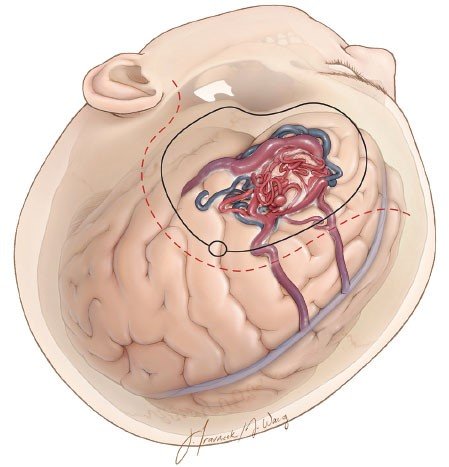
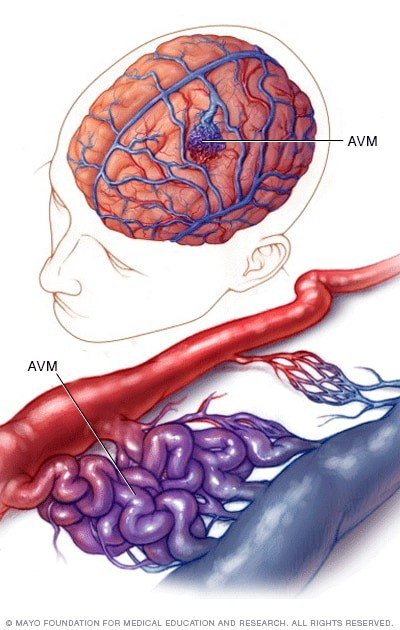
AVMs are abnormal connections between arteries and veins that bypass normal capillary networks. This creates high-pressure blood flow that increases the risk of bleeding.
AVMs may present with:
- Headaches
- Seizures
- Neurological deficits
- Intracranial hemorrhage
Treatment strategies are individualized and may involve surgery, endovascular embolization, or radiosurgery.
3. Cavernous Malformations
Cavernous malformations are clusters of abnormally formed blood vessels that can leak blood slowly over time, leading to seizures or focal neurological symptoms.
4. Ischemic and Hemorrhagic Stroke
Vascular neurosurgery plays a vital role in selected stroke cases, particularly:
- Hemorrhagic stroke due to vessel rupture
- Surgical evacuation of intracerebral hemorrhage
- Management of complex vascular lesions contributing to stroke
Early intervention can be lifesaving and function-preserving.
Diagnostic Evaluation
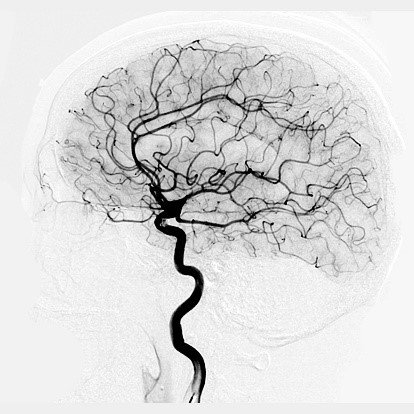
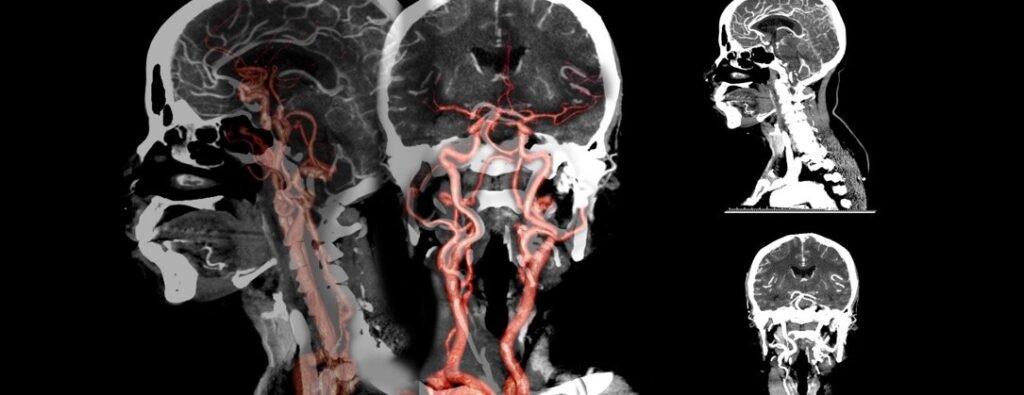
Accurate diagnosis relies on advanced vascular imaging techniques, including:
- CT Angiography (CTA)
- MR Angiography (MRA)
- Digital Subtraction Angiography (DSA) – gold standard
- Detailed neurological examination
These tools allow precise visualization of vascular anatomy and pathology.
Surgical and Endovascular Treatment Approaches
Goals of Treatment
The primary goals of vascular neurosurgery are to:
- Prevent hemorrhage or rebleeding
- Restore or preserve normal blood flow
- Protect brain and spinal cord function
- Improve long-term neurological outcomes
Treatment Techniques
Modern vascular neurosurgery utilizes:
- Microsurgical clipping of aneurysms
- Endovascular embolization using coils or liquid agents
- Bypass surgery to restore cerebral blood flow
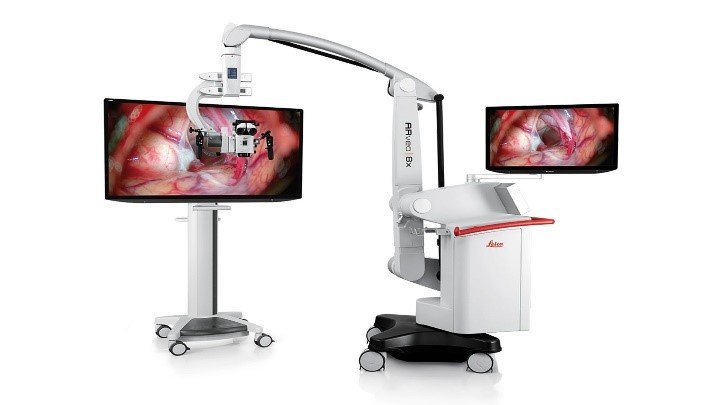
- Minimally invasive approaches guided by neuronavigation
The choice of treatment is tailored to each patient’s condition, anatomy, and overall health.
Multidisciplinary Vascular Care
Optimal management often requires collaboration between:
- Vascular neurosurgeons
- Interventional neuroradiologists
- Neurologists
- Intensive care specialists
- Rehabilitation teams
This multidisciplinary approach ensures comprehensive and individualized care.
Postoperative Care and Recovery
After vascular neurosurgery, patients may require:
- Close neurological and hemodynamic monitoring
- Blood pressure control
- Follow-up vascular imaging
- Physical and cognitive rehabilitation
Early rehabilitation significantly improves recovery and quality of life.
Prognosis and Outcomes
Outcomes depend on:
- Type and severity of vascular condition
- Timing of intervention
- Patient’s neurological status before treatment
- Surgical expertise and technology
With early diagnosis and specialized care, many patients achieve excellent long-term outcomes.