
Neuro-spinal trauma refers to injuries affecting the brain, spinal cord, vertebral column, and peripheral nerves as a result of sudden physical impact. These injuries are among the most critical medical emergencies, as they can lead to permanent neurological deficits or life-threatening complications if not managed promptly and accurately.
Road traffic accidents, falls from height, sports injuries, and workplace trauma are the most common causes. Early intervention by specialized neurosurgical teams plays a decisive role in determining long-term outcomes.
Types of Neuro-Spinal Trauma
1. Traumatic Brain Injury (TBI)
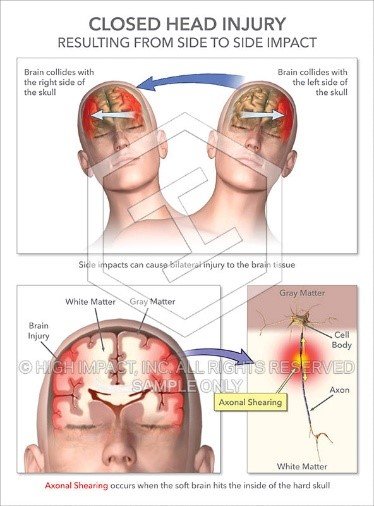
Traumatic Brain Injury occurs when an external force disrupts normal brain function. It ranges from mild concussion to severe, life-threatening damage.
Common forms include:
- Concussion
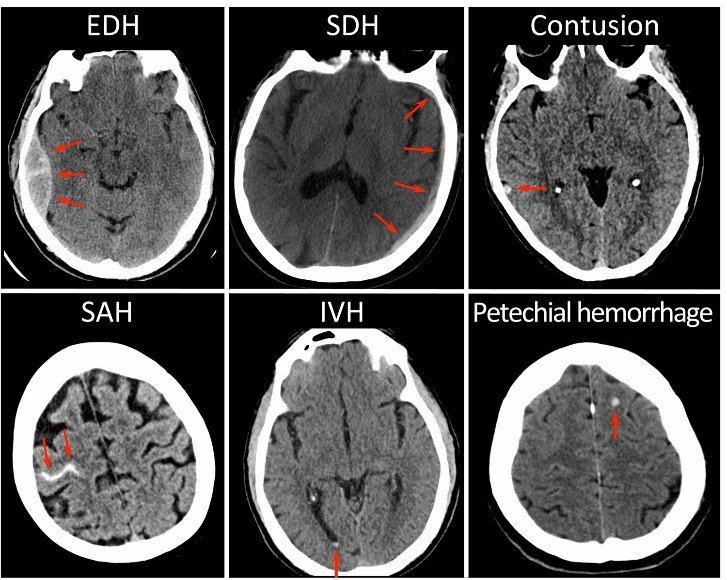
- Cerebral contusions
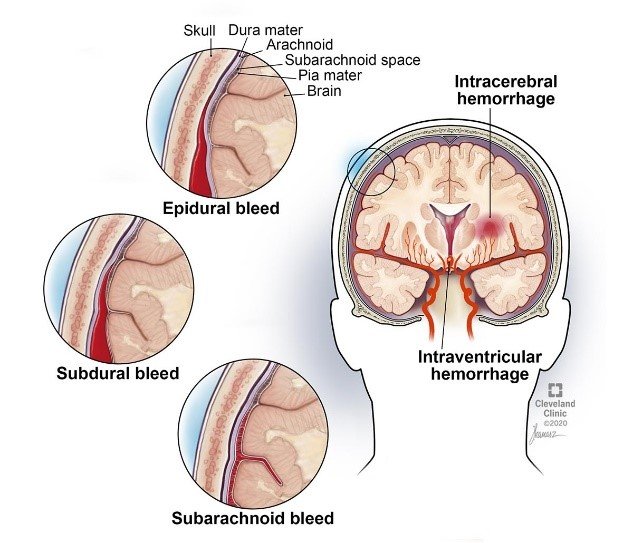
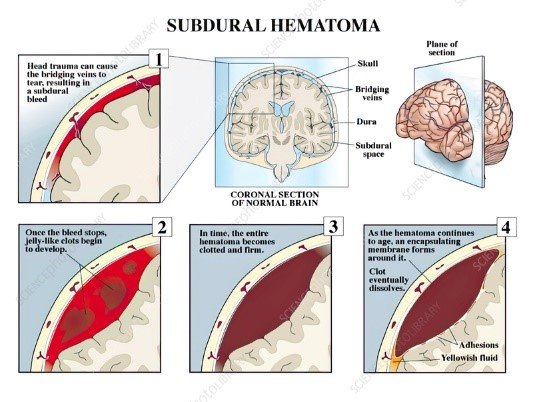
- Intracranial hemorrhage (epidural, subdural, intracerebral)
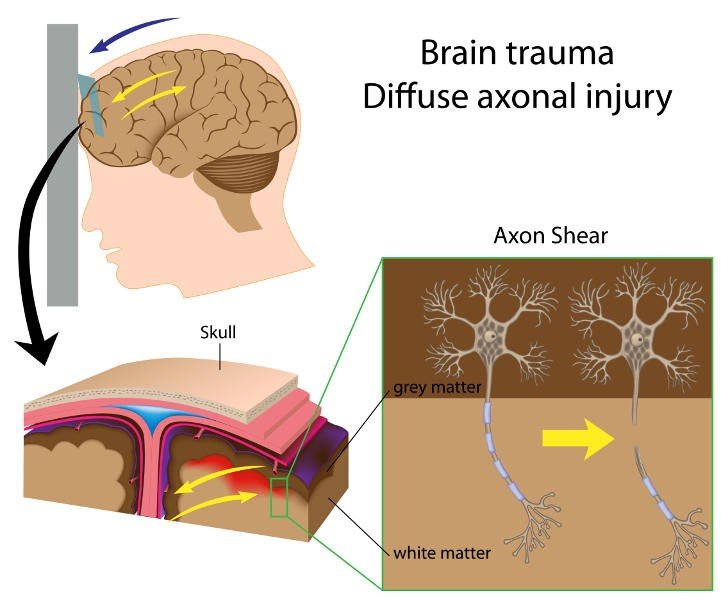
- Diffuse axonal injury
Symptoms may include loss of consciousness, confusion, seizures, vomiting, weakness, or behavioral changes.
2. Spinal Cord Injury (SCI)
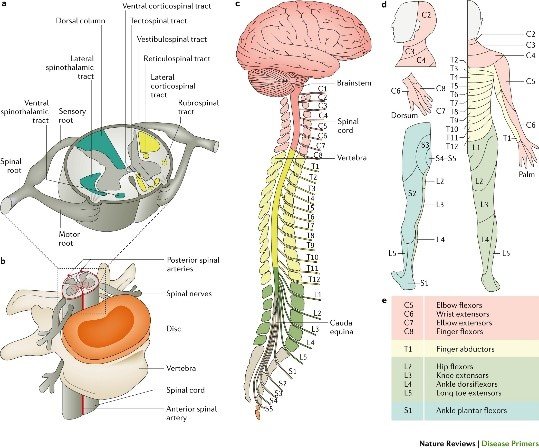
Spinal cord injuries result from trauma that damages the spinal cord or compresses it through fractured or displaced vertebrae.
Classification includes:
- Complete injury: total loss of motor and sensory function below the injury level
- Incomplete injury: partial preservation of neurological function
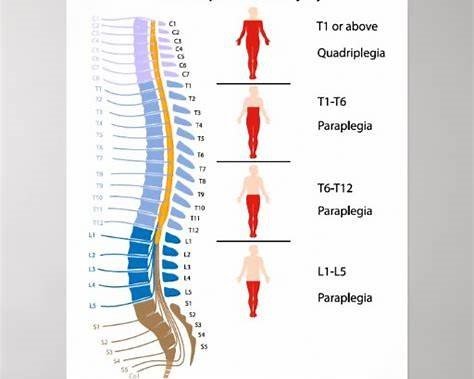
Clinical manifestations depend on injury level and severity, ranging from limb weakness to complete paralysis.
3. Vertebral Column Trauma
Trauma to the spinal bones may lead to:
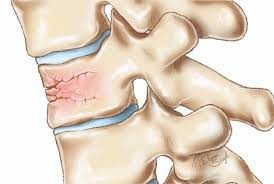
- Vertebral fractures
- Dislocations
- Spinal instability
These injuries can secondarily damage the spinal cord or nerve roots if not stabilized promptly.
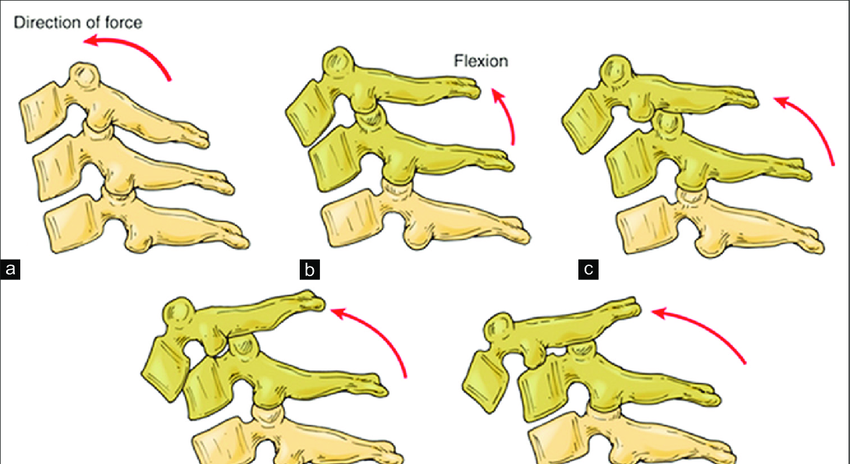
Common Causes of Neuro-Spinal Trauma
- Road traffic accidents
- Falls from height
- Sports and recreational injuries
- Industrial and workplace accidents
- Violence or direct blows
Preventive measures and public awareness are essential to reducing incidence and severity.
Emergency Evaluation and Diagnosis
Rapid assessment is crucial and typically includes:
- Neurological examination to assess consciousness, motor power, and sensation
- CT scan for rapid detection of fractures and bleeding
- MRI to evaluate spinal cord and soft tissue injuries
- Continuous monitoring of vital signs and intracranial pressure in severe cases
Early diagnosis helps prevent secondary injury caused by swelling, bleeding, or instability.
Surgical Management of Neuro-Spinal Trauma
Goals of Surgery
The primary goals of neurosurgical intervention are to:
- Relieve pressure on the brain or spinal cord
- Control bleeding and swelling
- Stabilize the spine
- Preserve or restore neurological function
Advanced Surgical Techniques
Modern trauma neurosurgery utilizes:
- Microsurgical evacuation of intracranial hematomas
- Decompressive craniectomy in severe brain swelling
- Spinal decompression and fixation using rods, screws, and cages
- Minimally invasive spinal stabilization when appropriate
These approaches aim to reduce complications and speed recovery.
Post-Trauma Care and Rehabilitation
Management does not end after surgery. Comprehensive care includes:
- Intensive neurological monitoring
- Pain control and prevention of complications
- Early mobilization when safe
- Physical, occupational, and speech therapy
- Long-term rehabilitation and psychological support
Rehabilitation is essential for maximizing functional recovery and independence.
Prognosis and Outcomes
The outcome of neuro-spinal trauma depends on:
- Severity and level of injury
- Speed of medical intervention
- Patient’s neurological status at presentation
- Quality of surgical and rehabilitative care
Early specialized treatment significantly improves survival and functional outcomes.