🧠 Functional, Stereotactic & Pain Surgery
Precision Neurosurgery for Movement Disorders, Epilepsy & Chronic Pain
Introduction
Functional, stereotactic, and pain surgery represent some of the most advanced and precise areas of modern neurosurgery. Unlike traditional neurosurgery, which focuses on removing tumors or repairing structural damage, functional neurosurgery aims to modulate abnormal brain or nerve activity to restore function and relieve symptoms.
These procedures are commonly used to treat movement disorders, epilepsy, and chronic pain conditions that do not respond adequately to medications. By targeting specific neural pathways with extreme accuracy, surgeons can significantly improve patients’ quality of life while preserving normal brain function.
Functional Neurosurgery
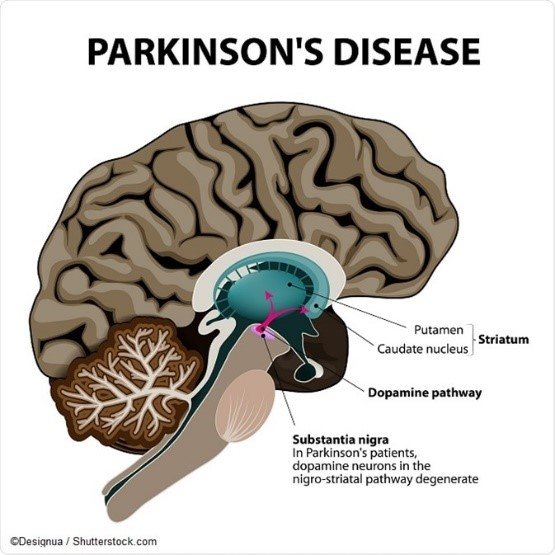
Functional neurosurgery focuses on disorders caused by abnormal electrical or chemical activity within the nervous system rather than visible structural lesions.
Common Conditions Treated
- Parkinson’s disease
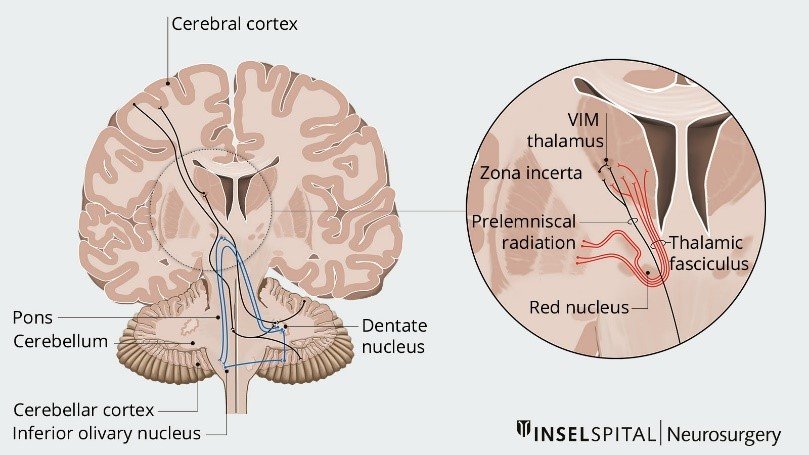
- Essential tremor
- Dystonia
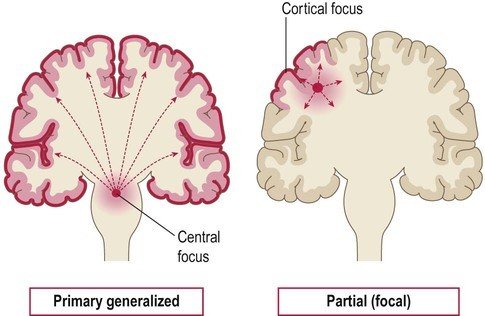
- Medically refractory epilepsy
- Spasticity and movement disorders
Patients suffering from these conditions often experience significant disability despite optimal medical therapy, making surgical intervention a life-changing option.
Stereotactic Neurosurgery
What Is Stereotactic Surgery?
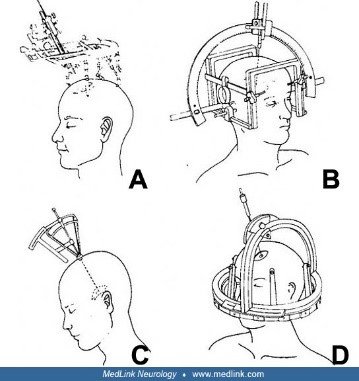
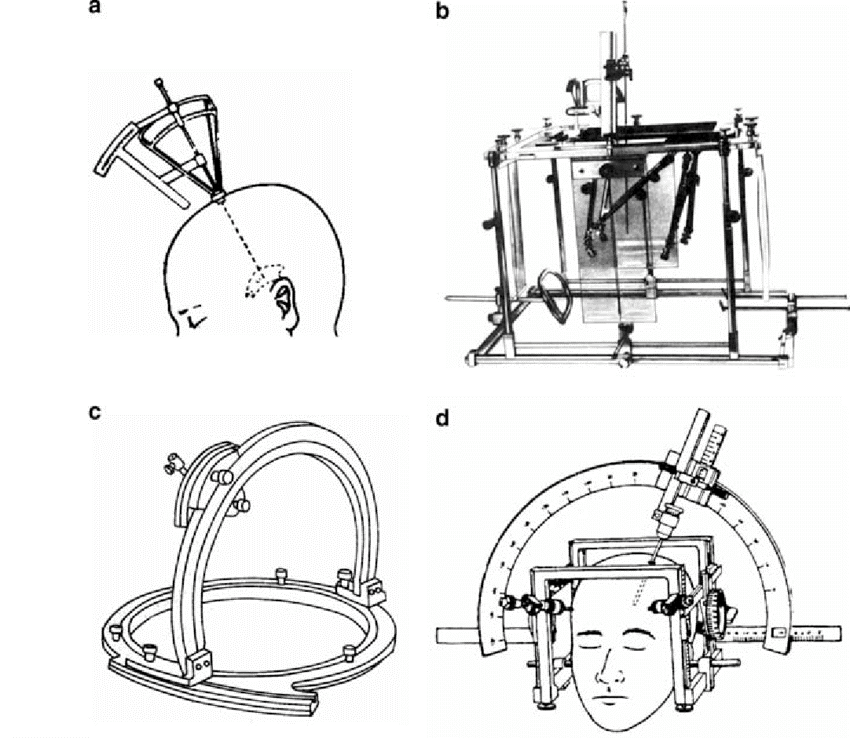
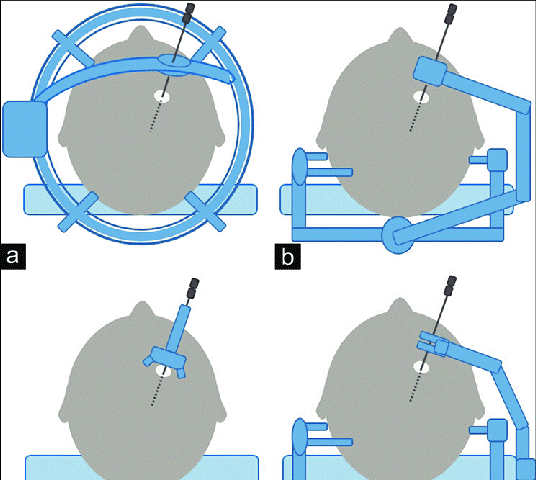
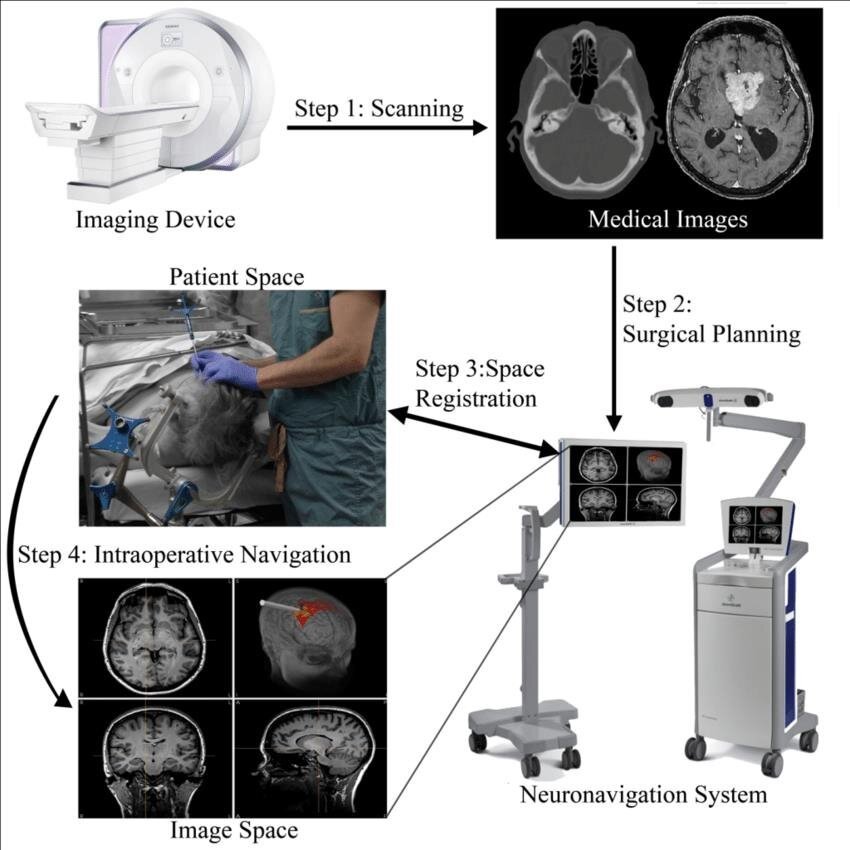
Stereotactic neurosurgery is a minimally invasive technique that uses a three-dimensional coordinate system to precisely locate and target small areas deep within the brain. This level of accuracy allows surgeons to operate on critical brain structures with minimal disruption to surrounding tissue.
Key Applications
- Localization and treatment of epileptic foci
- Deep brain stimulation (DBS) electrode placement
- Biopsy of deep-seated brain lesions
- Treatment of functional brain disorders
Deep Brain Stimulation (DBS)
How DBS Works
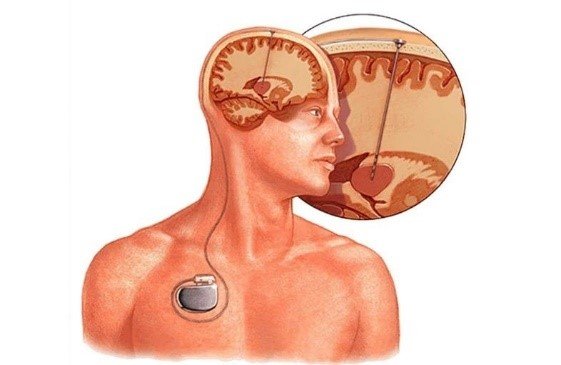
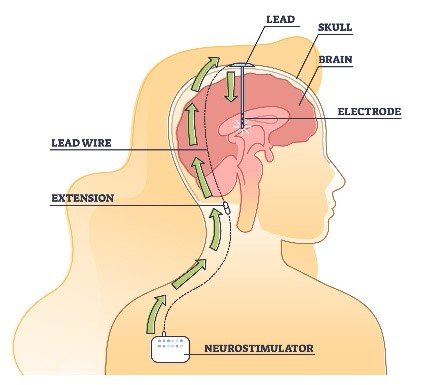
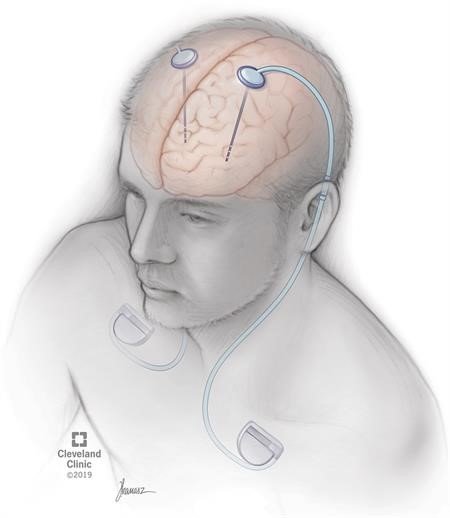
Deep Brain Stimulation involves implanting electrodes into specific brain regions responsible for abnormal movement or activity. These electrodes deliver controlled electrical impulses that help regulate abnormal signals.
Conditions Treated with DBS
- Parkinson’s disease
- Essential tremor
- Dystonia
- Selected psychiatric and neurological disorders
DBS is adjustable and reversible, making it one of the safest and most effective treatments for advanced movement disorders.
Epilepsy Surgery
For patients with epilepsy that does not respond to medication, surgical treatment may offer seizure control or significant reduction.
Surgical Options Include:
- Resection of seizure focus
- Disconnection procedures
- Stereotactic lesioning
- Neuromodulation techniques
Careful preoperative evaluation ensures preservation of speech, memory, and motor functions.
Pain Surgery
Understanding Chronic Pain
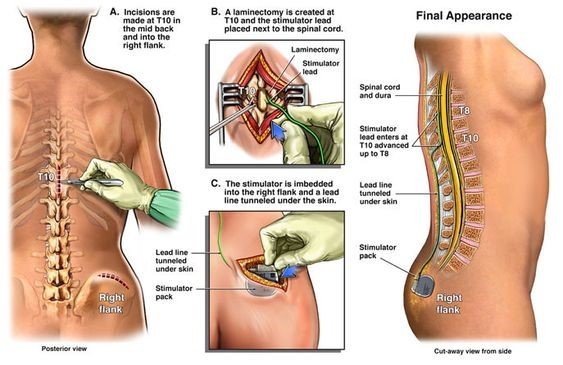
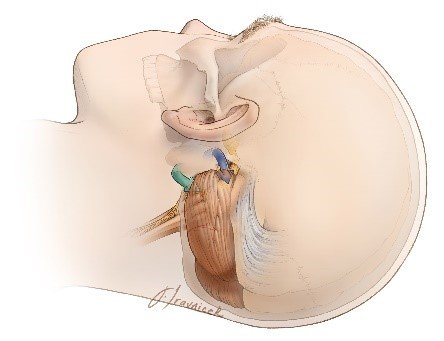
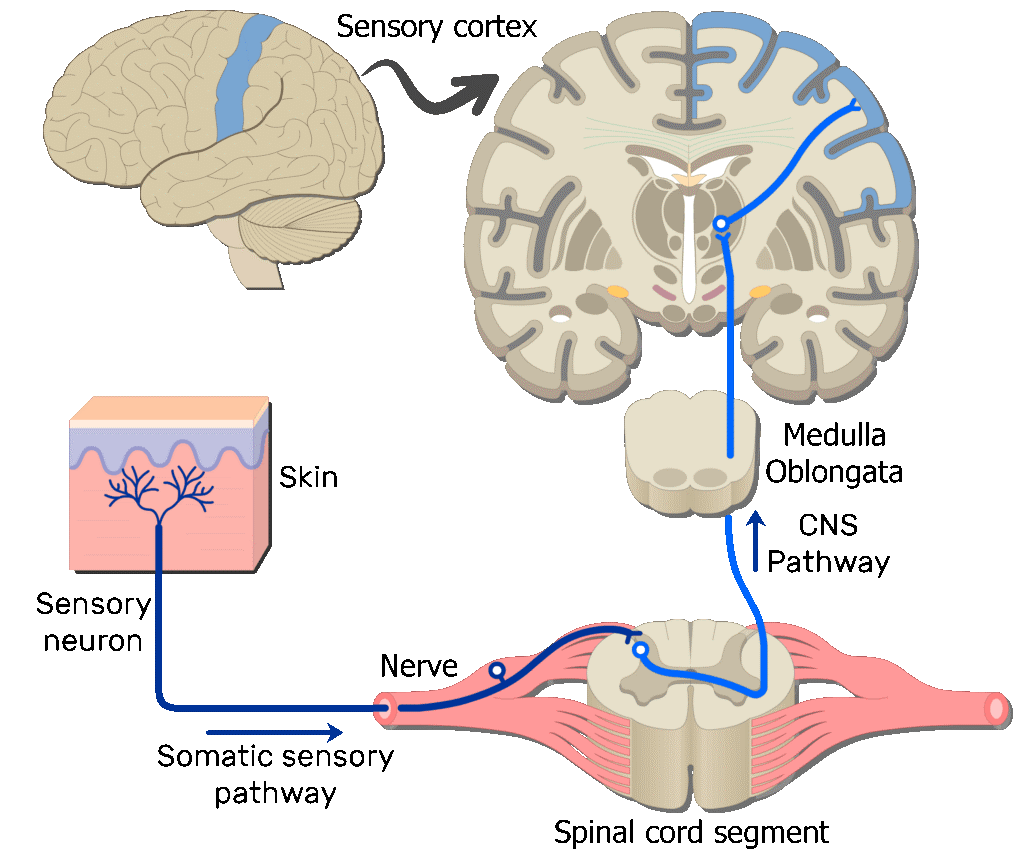
Chronic pain may arise from nerve injury, spinal disorders, cancer, or functional neurological conditions. When conservative treatments fail, pain surgery may be considered.
Conditions Treated
- Chronic neuropathic pain
- Trigeminal neuralgia
- Cancer-related pain
- Failed back surgery syndrome
Pain Surgery Techniques
- Spinal cord stimulation (SCS)
- Peripheral nerve stimulation
- Targeted nerve lesioning
- Intrathecal drug delivery systems
These techniques aim to interrupt pain pathways and significantly reduce suffering.
Diagnostic Evaluation
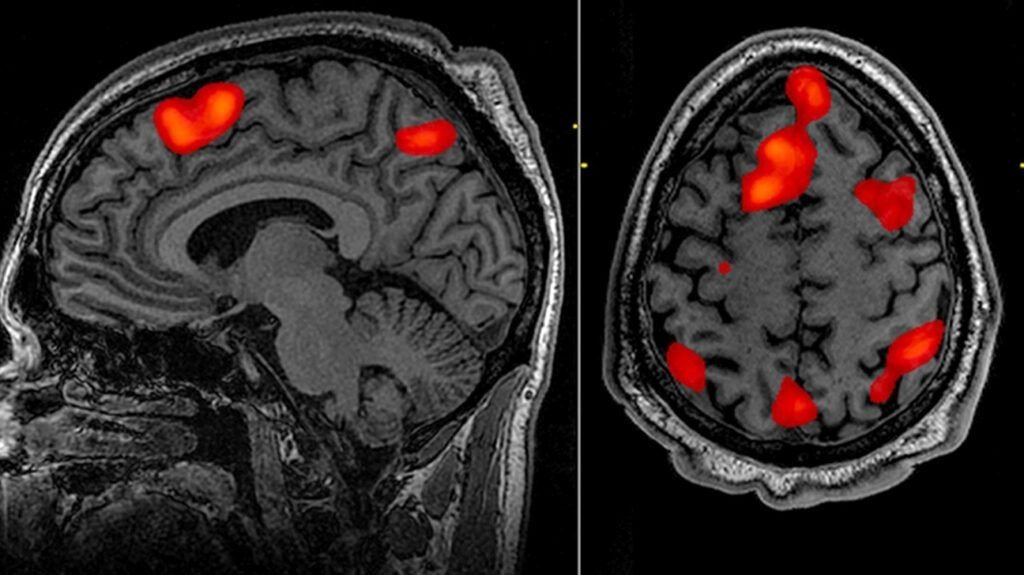
Accurate diagnosis and surgical planning rely on:
- Advanced brain imaging (MRI, functional MRI)
- EEG and neurophysiological studies
- Multidisciplinary evaluation
- Neuropsychological assessment
This comprehensive approach ensures optimal targeting and safety.
Benefits of Functional & Stereotactic Surgery
- Extreme precision with minimal tissue damage
- Reduced surgical risk
- Improved symptom control
- Faster recovery compared to traditional surgery
- Significant enhancement of quality of life
Postoperative Care and Follow-Up
After surgery, patients require:
- Regular neurological follow-up
- Device programming and adjustment (DBS/SCS)
- Rehabilitation and physical therapy
- Ongoing symptom monitoring
Long-term follow-up is essential to maintain optimal outcomes.
Prognosis and Outcomes
Success depends on:
- Accurate diagnosis and patient selection
- Surgical precision and technology
- Patient adherence to follow-up care
When performed by experienced specialists, functional, stereotactic, and pain surgeries can dramatically improve daily function and independence.