
Precision Surgery for Nerve Disorders and Functional Recovery
Introduction
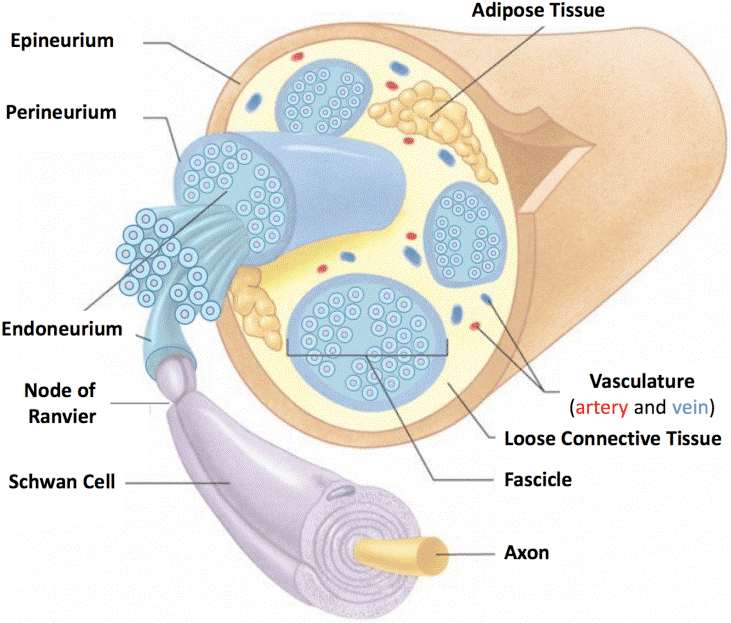
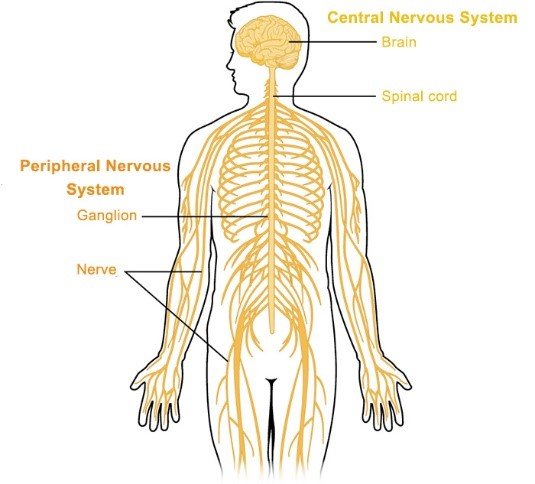
Peripheral nerve surgery focuses on the diagnosis and surgical treatment of disorders affecting the peripheral nervous system, which includes all nerves outside the brain and spinal cord. These nerves are responsible for transmitting signals related to movement, sensation, and autonomic functions between the central nervous system and the rest of the body.
Damage or compression of peripheral nerves can result in pain, weakness, numbness, or loss of function. When conservative treatments fail, surgical intervention becomes essential to restore nerve function and improve quality of life.
Understanding the Peripheral Nervous System
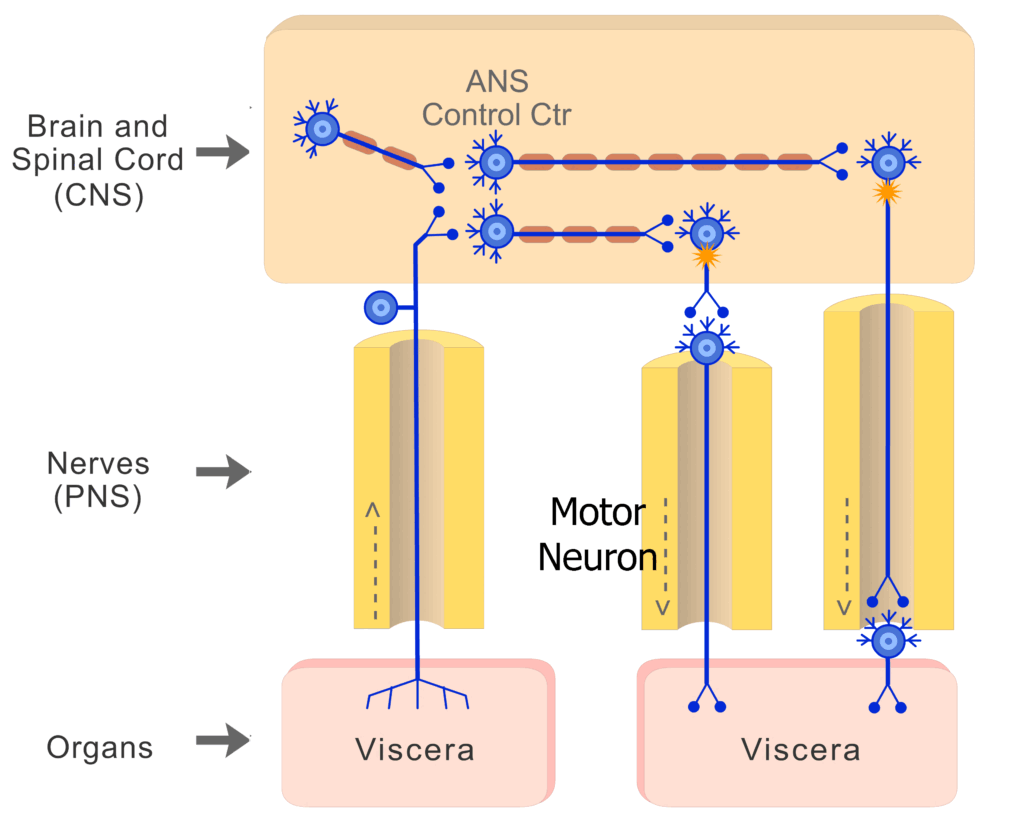
Peripheral nerves extend from the spinal cord and brain to the arms, legs, face, and internal organs. They are categorized into:
- Motor nerves – control muscle movement
- Sensory nerves – transmit sensation such as pain, touch, and temperature
- Autonomic nerves – regulate involuntary functions
Because peripheral nerves are delicate and highly specialized, surgical treatment requires microsurgical precision and advanced expertise.
Common Conditions Treated with Peripheral Nerve Surgery
1. Nerve Compression Syndromes
These occur when nerves are compressed by surrounding structures, leading to pain and dysfunction. Common examples include:
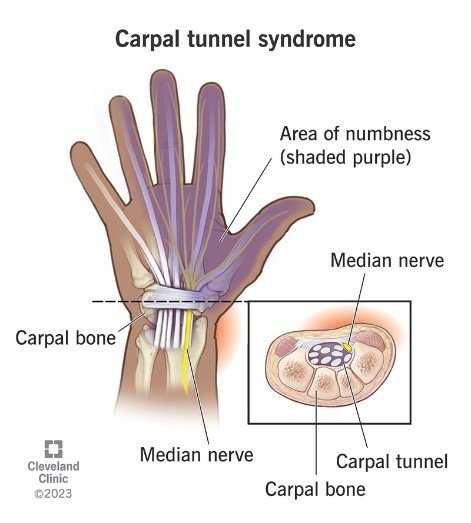
- Carpal Tunnel Syndrome (median nerve)
- Cubital Tunnel Syndrome (ulnar nerve)
- Tarsal Tunnel Syndrome
Symptoms often include tingling, numbness, burning pain, and muscle weakness.
2. Peripheral Nerve Injuries
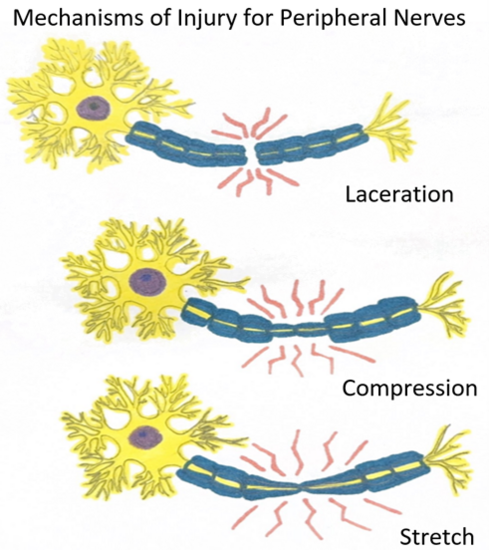
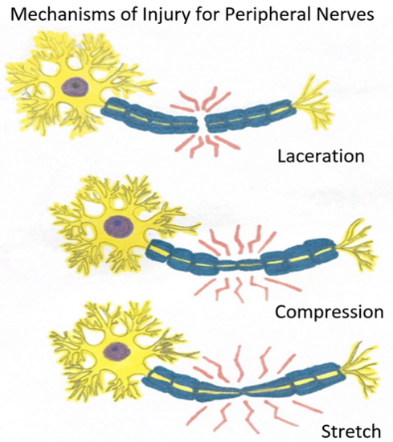
Nerve injuries may result from trauma, accidents, or surgical complications and can be classified as:
- Stretch injuries
- Partial nerve tears
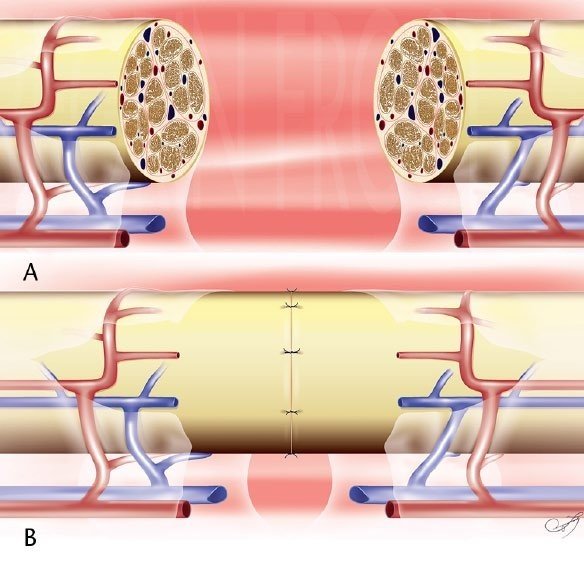
- Complete nerve transections
Early surgical repair is crucial to maximize nerve regeneration and functional recovery.
3. Peripheral Nerve Tumors
Benign tumors such as schwannomas and neurofibromas may arise from peripheral nerves. Although often non-cancerous, these tumors can compress nerve fibers and cause:
- Localized pain
- Sensory loss
- Muscle weakness
Surgical removal aims to excise the tumor while preserving nerve function.
4. Brachial Plexus Injuries
The brachial plexus is a complex network of nerves supplying the shoulder, arm, and hand. Injuries may occur due to:
- Birth-related trauma
- Motor vehicle accidents
- Severe shoulder injuries
These cases require highly specialized surgical techniques to restore movement and sensation.
Diagnostic Evaluation
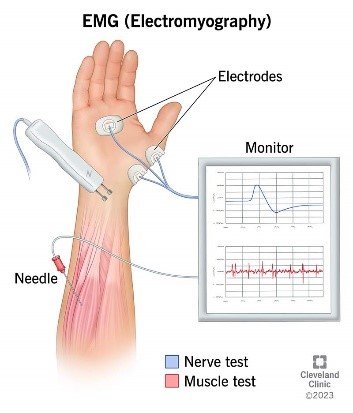
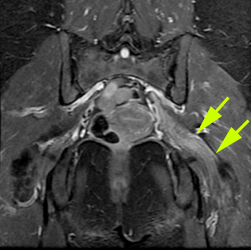
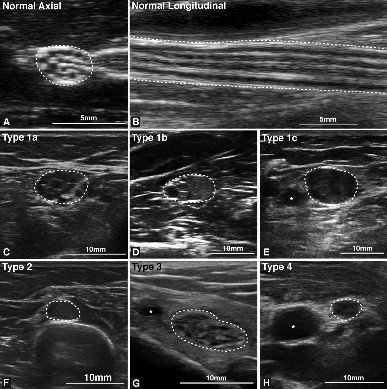
Accurate diagnosis is essential and typically includes:
- Detailed neurological examination
- Electromyography (EMG) and nerve conduction studies
- MRI or ultrasound imaging to visualize nerve pathology
- Clinical correlation with symptoms and functional deficits
Surgical Techniques in Peripheral Nerve Surgery
Goals of Surgery
The primary objectives are to:
- Relieve nerve compression
- Repair or reconstruct damaged nerves
- Preserve muscle and sensory function
- Reduce pain and prevent long-term disability
Advanced Surgical Methods
Modern peripheral nerve surgery employs:
- Microsurgical nerve decompression
- Direct nerve repair (end-to-end suturing)
- Nerve grafting when gaps are present
- Nerve transfers to restore lost function
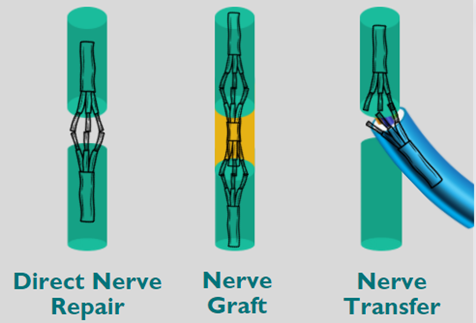
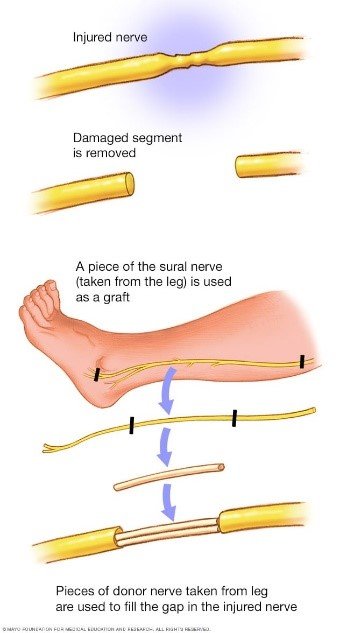
These techniques require specialized equipment, operating microscopes, and extensive surgical experience.
Postoperative Care and Rehabilitation
Recovery after peripheral nerve surgery is gradual and requires:
- Pain and inflammation management
- Physical and occupational therapy
- Regular follow-up and functional assessment
- Patience, as nerve regeneration occurs slowly over months
Rehabilitation plays a critical role in achieving optimal outcomes.
Prognosis and Outcomes
The success of peripheral nerve surgery depends on:
- Type and severity of nerve damage
- Time between injury and surgery
- Patient’s age and overall health
- Quality of surgical technique and rehabilitation
Early intervention significantly improves the chances of functional recovery.