
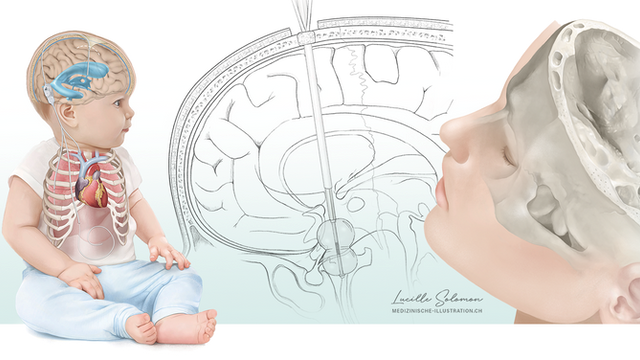
Pediatric Neurosurgery is a highly specialized branch of medicine dedicated to the diagnosis and surgical treatment of neurological disorders affecting infants, children, and adolescents. Unlike adult neurosurgery, pediatric neurosurgery addresses conditions that often arise from congenital (birth-related) abnormalities, developmental issues, or early-life injuries, requiring a deep understanding of the growing brain and spine.
Children are not simply “small adults.” Their nervous systems are continuously developing, which means that every surgical decision must carefully consider long-term growth, neurological development, and quality of life.
Conditions Treated in Pediatric Neurosurgery
1. Congenital Brain & Spinal Disorders
Many pediatric neurosurgical conditions are present at birth and require early diagnosis and intervention:
- Hydrocephalus (excess cerebrospinal fluid in the brain)
- Spina Bifida and spinal cord malformations
- Craniosynostosis (premature fusion of skull bones)
- Chiari malformations
Early treatment of these conditions can prevent severe neurological complications and support normal development.
2. Pediatric Brain & Spinal Tumors
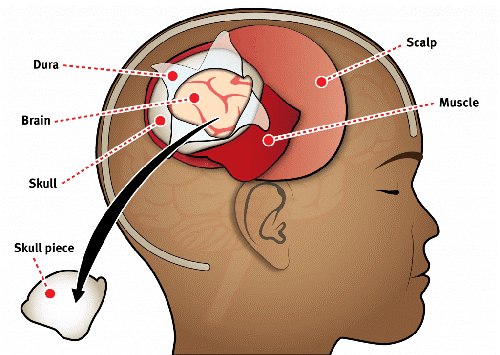
Brain and spinal tumors in children differ significantly from those in adults in terms of behavior, location, and response to treatment. Pediatric neurosurgeons manage:
- Benign and malignant brain tumors
- Spinal cord tumors
- Tumors affecting peripheral nerves
Treatment often requires a multidisciplinary approach, combining surgery with pediatric oncology, radiology, and rehabilitation.
3. Epilepsy & Functional Neurosurgery
For children with epilepsy that does not respond to medication, surgical intervention may be considered. Pediatric functional neurosurgery aims to:
- Identify seizure focus areas
- Preserve cognitive and motor functions
- Improve the child’s quality of life and learning ability
4. Head & Spine Injuries in Children
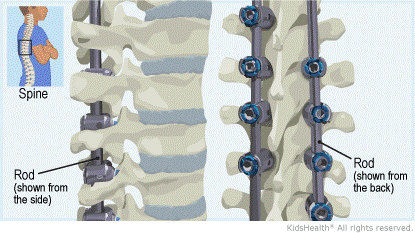
Children are particularly vulnerable to head and spinal trauma due to falls, accidents, or sports injuries. Pediatric neurosurgery plays a crucial role in:
- Emergency management of head injuries
- Treatment of spinal fractures and spinal cord injuries
- Long-term neurological monitoring and rehabilitation