
🦴 Spinal Surgery
Advanced Surgical Solutions for Spine Disorders
Introduction
Spinal surgery is a specialized field of neurosurgery and orthopedic surgery focused on the diagnosis and treatment of disorders affecting the vertebral column, spinal cord, nerve roots, and surrounding structures. The spine plays a critical role in supporting the body, protecting the spinal cord, and enabling movement and sensation.
Spinal conditions can significantly impact quality of life, causing pain, weakness, numbness, or even paralysis. When conservative treatments fail, surgical intervention becomes essential to relieve symptoms, restore function, and prevent permanent neurological damage.
Understanding the Spine
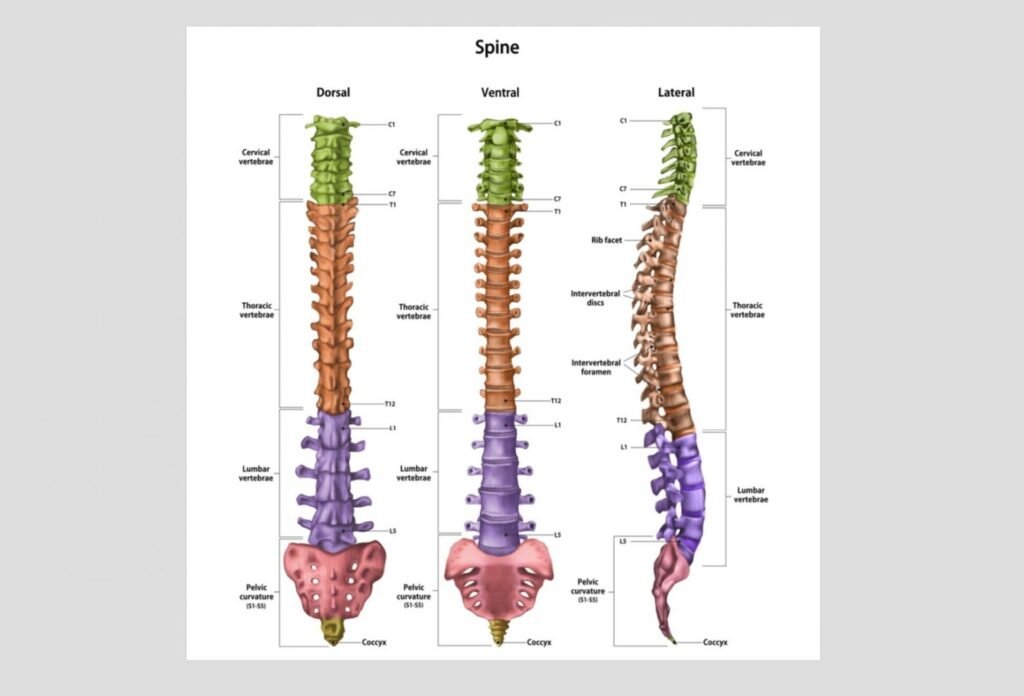
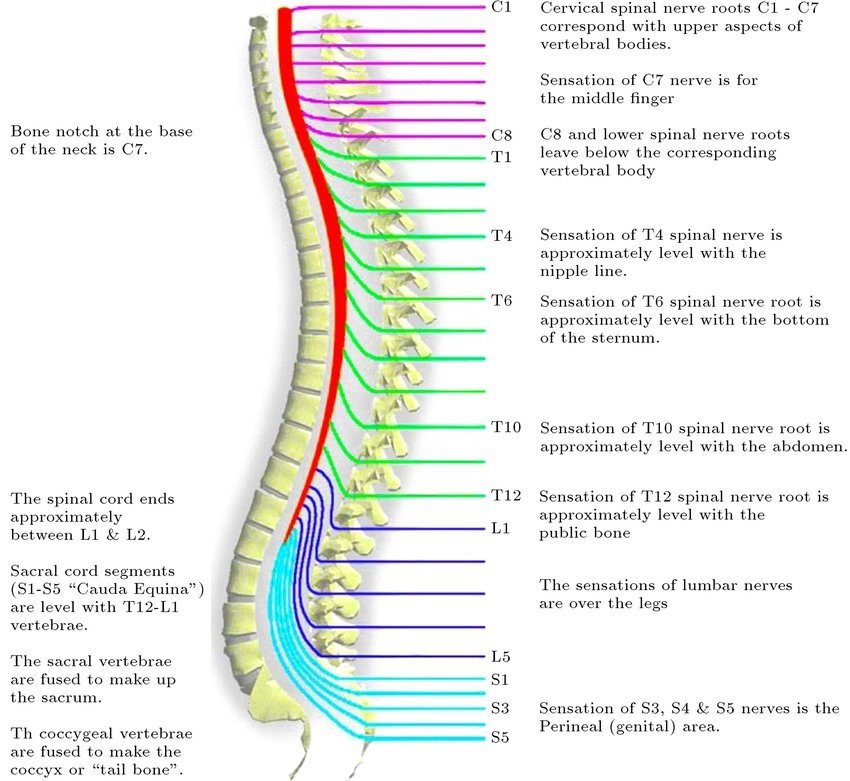
The human spine is composed of:
- Cervical spine (neck)
- Thoracic spine (upper and mid-back)
- Lumbar spine (lower back)
- Sacral spine (pelvic region)
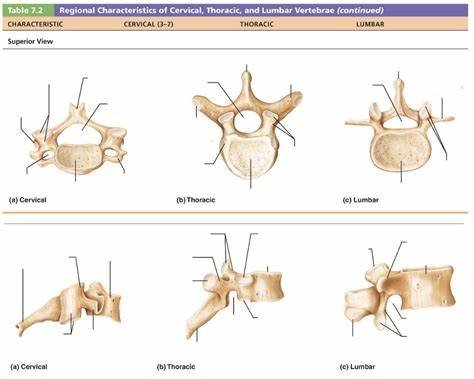
Each segment has unique anatomical and functional characteristics, and disorders can affect one or multiple regions.
Common Conditions Treated with Spinal Surgery
1. Degenerative Spine Disorders
Age-related degeneration is one of the most common causes of spinal problems and includes:
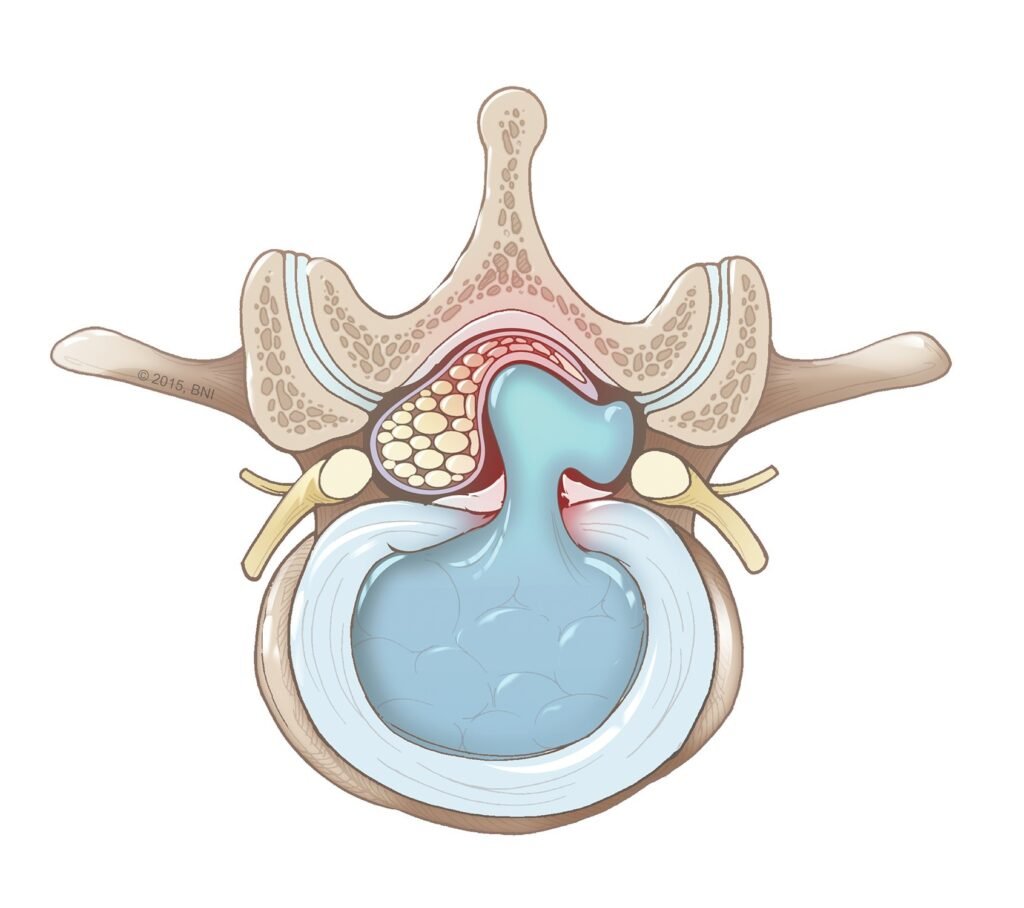
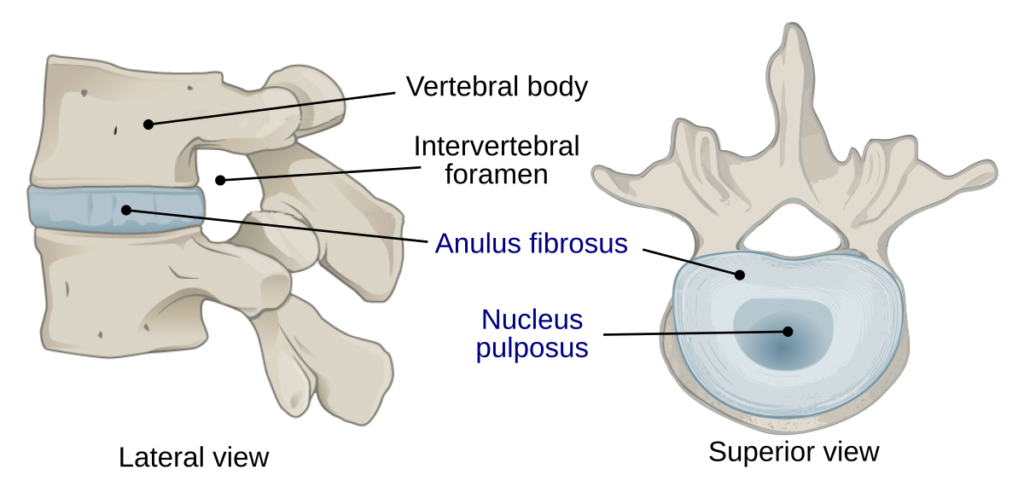
- Herniated (slipped) discs
- Spinal stenosis (narrowing of the spinal canal)
- Degenerative disc disease
- Facet joint arthritis
Symptoms often include chronic back or neck pain, radiating limb pain, numbness, or weakness.
2. Spinal Deformities
Spinal deformities may be congenital or acquired and include:
- Scoliosis
- Kyphosis
- Lordosis abnormalities
Surgical correction aims to restore alignment, improve posture, and prevent progression.
3. Spinal Trauma
Injuries to the spine caused by accidents or falls can result in:
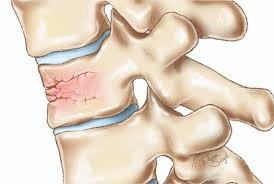
- Vertebral fractures
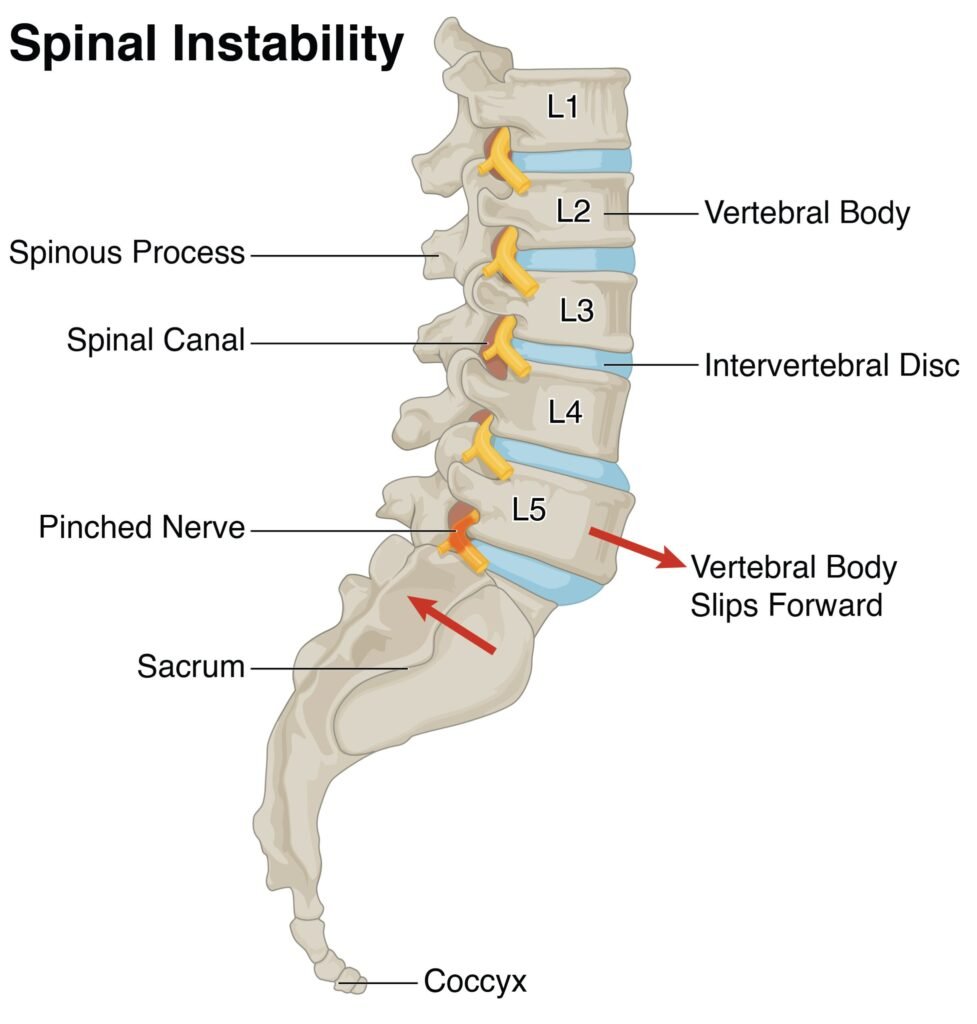
- Spinal instability
- Compression of the spinal cord or nerves
Early surgical stabilization is often required to prevent further neurological damage.
4. Spinal Tumors and Infections
Spinal surgery is also used to treat:
- Tumors affecting the spine or spinal cord
- Spinal infections such as discitis or osteomyelitis
Treatment focuses on decompression, stabilization, and preservation of neurological function.
Diagnostic Evaluation
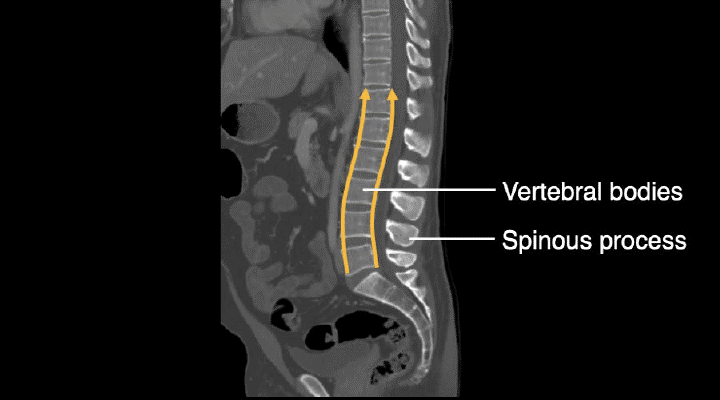
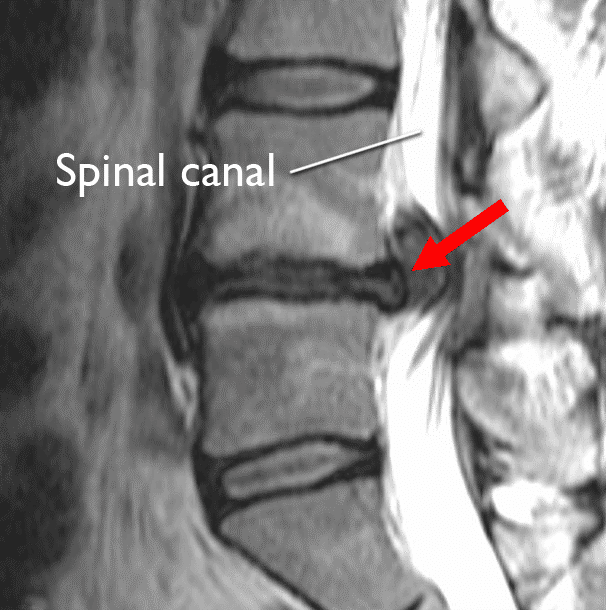
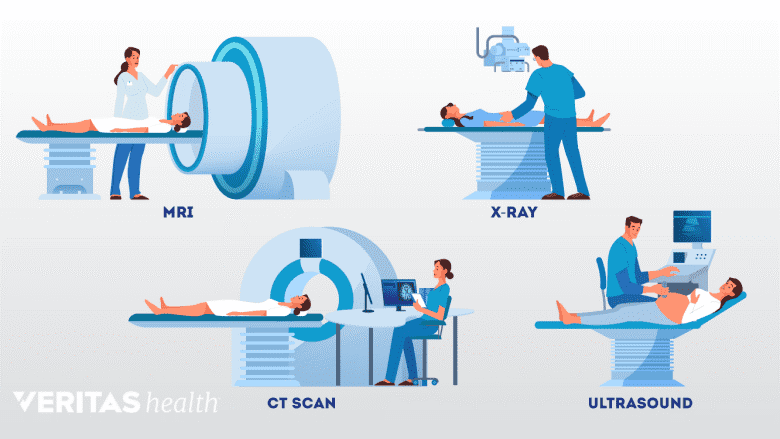
Accurate diagnosis is essential for successful spinal surgery and typically includes:
- Detailed neurological and physical examination
- MRI to evaluate discs, nerves, and spinal cord
- CT scans for bone and fracture assessment
- X-rays to assess alignment and stability
Diagnostic findings are carefully correlated with clinical symptoms before surgery is recommended.
Surgical Techniques in Spinal Surgery
Goals of Surgery
The primary goals of spinal surgery are to:
- Relieve pressure on spinal nerves or the spinal cord
- Stabilize the spine
- Correct deformities
- Reduce pain and restore mobility
Modern Surgical Approaches
Advances in technology have transformed spinal surgery, allowing for safer and less invasive procedures:
- Minimally invasive spine surgery (MISS)
- Microsurgical decompression
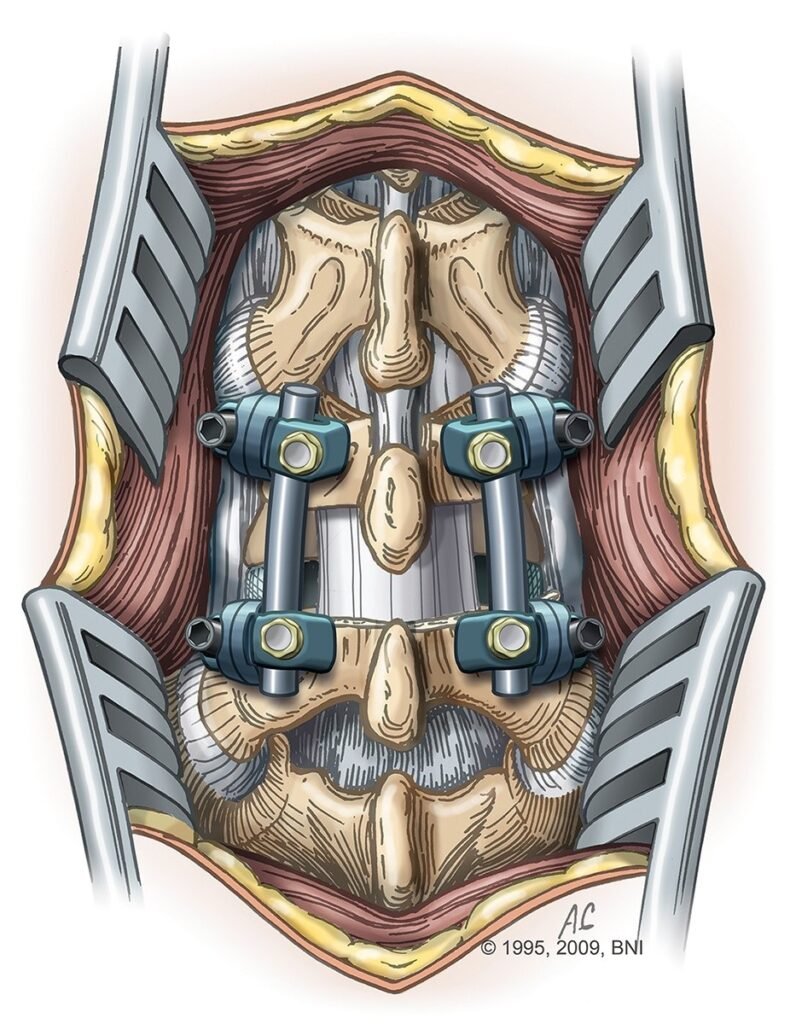
- Spinal fusion using screws and rods
- Endoscopic spine surgery in selected cases
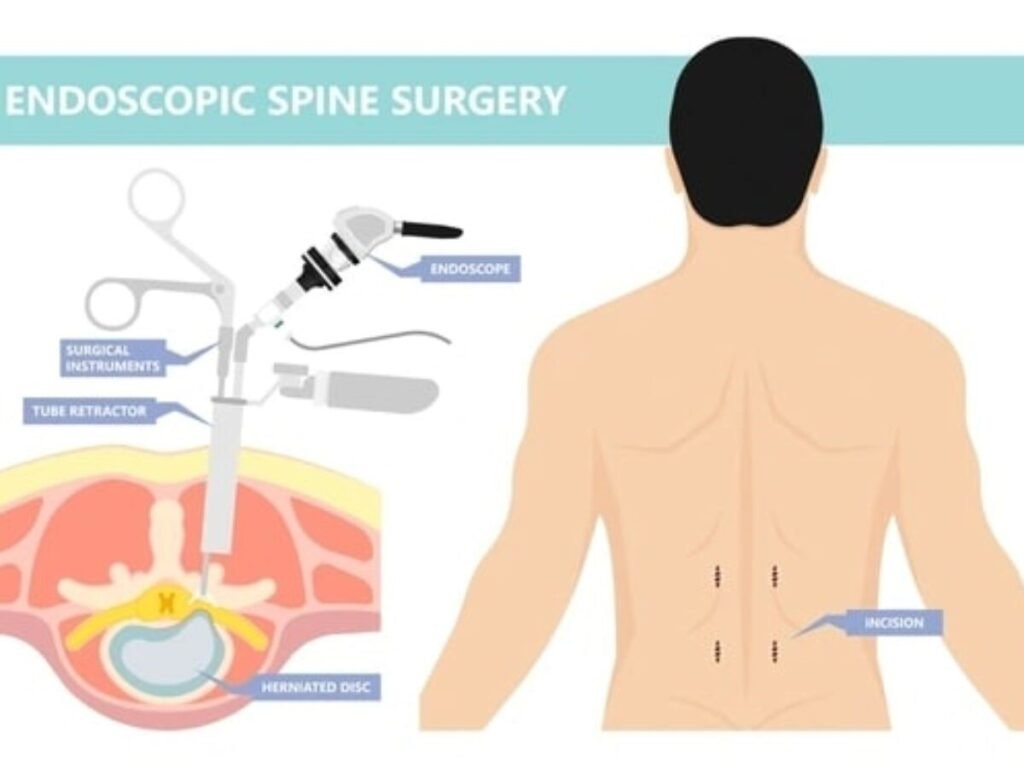
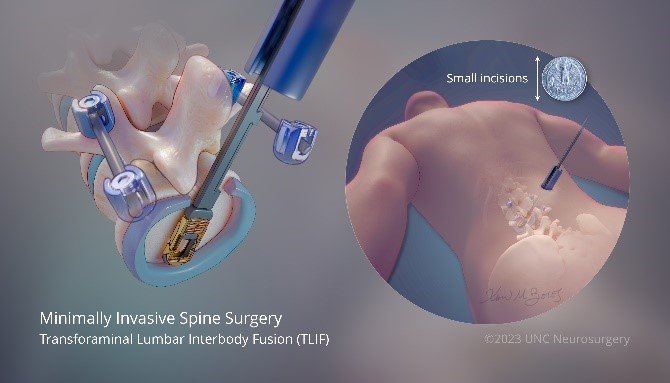
These techniques minimize tissue damage, reduce postoperative pain, and speed recovery.
Postoperative Care and Rehabilitation
Recovery after spinal surgery is a gradual process and may involve:
- Pain control and wound care
- Early mobilization under medical supervision
- Physical therapy and rehabilitation
- Lifestyle modifications to protect spinal health
Rehabilitation is essential to maximize surgical success and long-term function.
Prognosis and Outcomes
The outcome of spinal surgery depends on:
- Type and severity of the spinal condition
- Timing of surgical intervention
- Patient’s overall health and neurological status
- Surgical technique and postoperative care
With proper patient selection and expert surgical care, many individuals experience significant pain relief and improved quality of life.