Brain Tumors
Brain tumors are abnormal growths of cells within the brain or its surrounding structures. These tumors can vary greatly in behavior, size, growth rate, and clinical impact. Importantly, the severity of a brain tumor is not determined solely by whether it is benign or malignant, but rather by its location, pressure effect on vital brain areas, and growth characteristics.
Because the brain controls movement, speech, vision, memory, and behavior, even small tumors can cause significant neurological symptoms. Early diagnosis and expert management are therefore essential.
Classification of Brain Tumors
1. Primary Brain Tumors
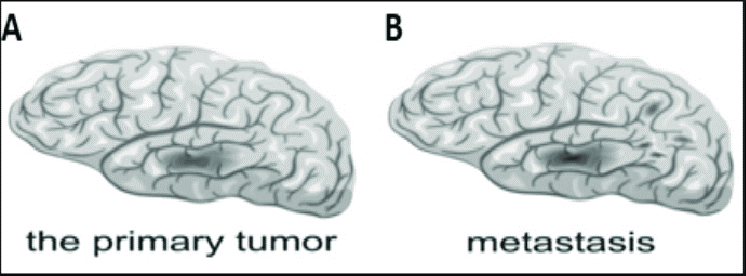
Primary brain tumors originate from brain tissue or its coverings and include:
- Gliomas (astrocytomas, glioblastomas)
- Meningiomas
- Pituitary adenomas
- Medulloblastomas (more common in children)
These tumors may be slow-growing or aggressive, depending on their cellular nature.
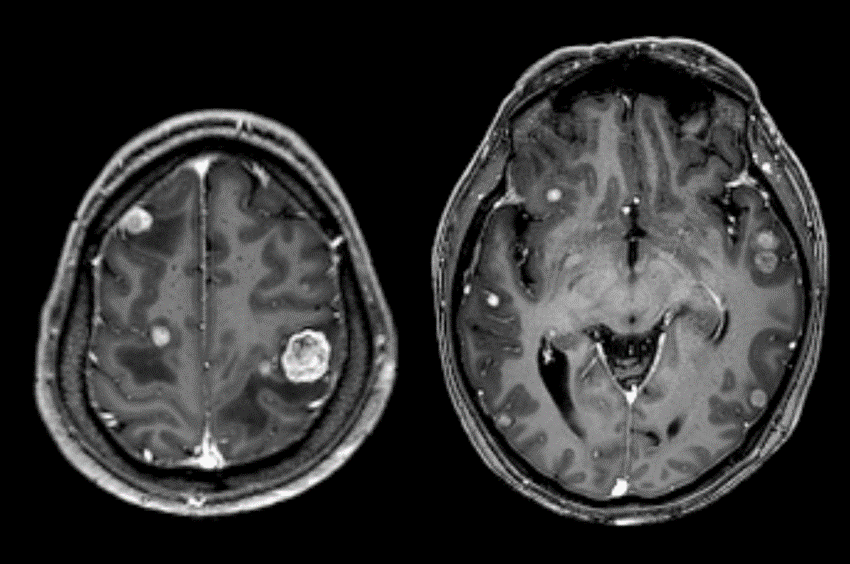
2. Secondary (Metastatic) Brain Tumors
Secondary brain tumors spread to the brain from cancers elsewhere in the body, such as:
- Lung cancer
- Breast cancer
- Melanoma
Metastatic tumors are often multiple and require a coordinated treatment strategy.
Common Symptoms of Brain Tumors
Symptoms depend largely on the tumor’s location and pressure on surrounding brain tissue. Common warning signs include:
- Persistent or worsening headaches, especially in the morning
- Seizures (new-onset in adults is particularly concerning)
- Weakness or numbness in limbs
- Vision or speech disturbances
- Balance problems or dizziness
- Cognitive or personality changes
- Nausea and vomiting due to raised intracranial pressure
⚠️ Symptoms may develop gradually and should never be ignored.
Diagnostic Evaluation
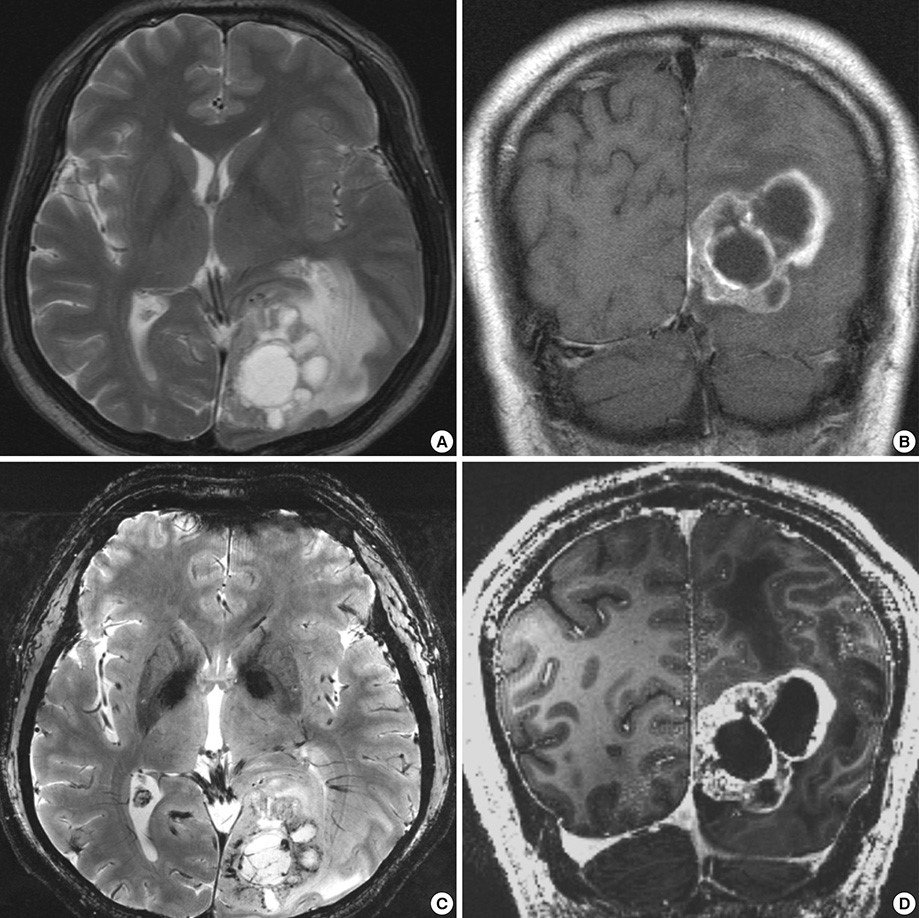
Accurate diagnosis begins with a detailed neurological examination followed by advanced imaging:
- MRI with contrast – gold standard for tumor characterization
- CT scan – useful in emergency settings or bone involvement
- Functional MRI & diffusion imaging – for surgical planning near critical brain areas
- Biopsy – in selected cases to confirm tumor type
Early diagnosis allows treatment before irreversible neurological damage occurs.
Surgical Management of Brain Tumors
Goals of Surgery
The primary objectives of brain tumor surgery are to:
- Remove as much tumor tissue as safely possible
- Relieve pressure on vital brain structures
- Preserve neurological function
- Improve symptoms and quality of life
Modern Surgical Techniques
Advances in neurosurgery have transformed brain tumor treatment:
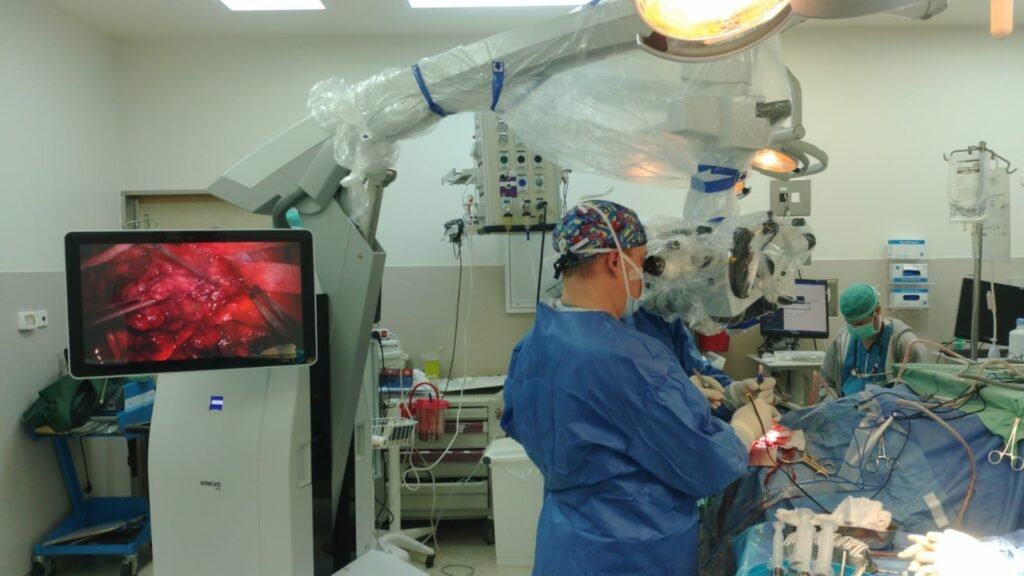
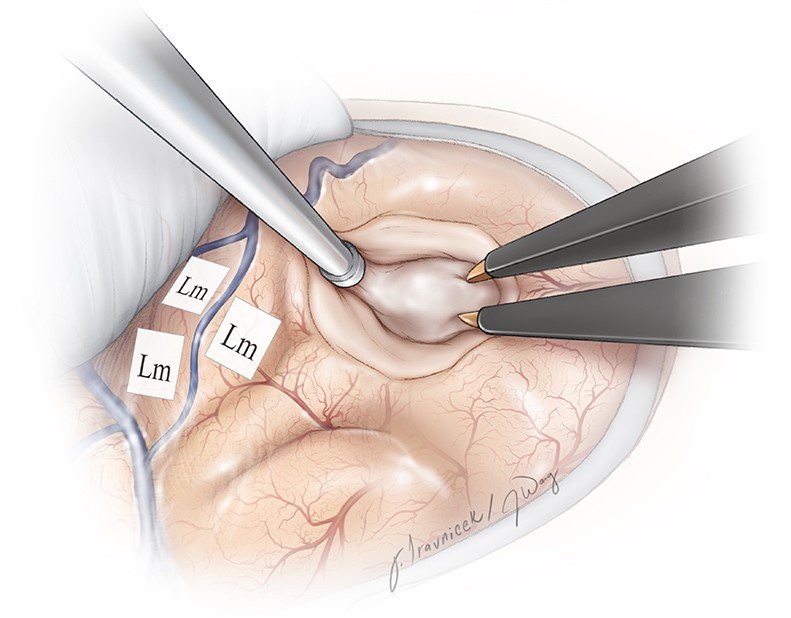
- Microsurgical tumor resection using operating microscopes
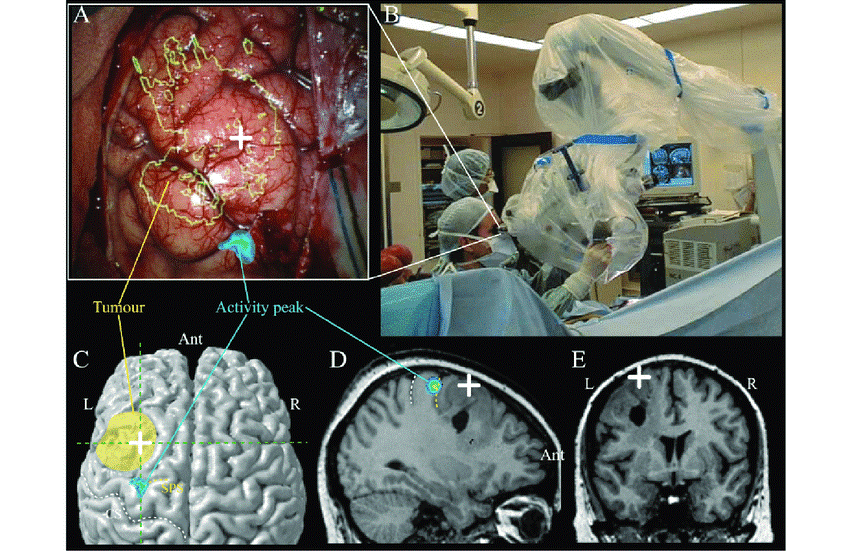
- Neuronavigation systems for real-time anatomical guidance
- Intraoperative neuro-monitoring to protect motor and sensory pathways
- Endoscopic and minimally invasive approaches in selected cases
These techniques allow precise tumor removal while minimizing risk.
Multidisciplinary Brain Tumor Care
Optimal brain tumor management often involves a multidisciplinary team including:
- Neurosurgeons
- Neurologists
- Neuro-oncologists
- Radiologists
- Radiation oncologists
- Rehabilitation specialists
This collaborative approach ensures that each patient receives personalized, evidence-based care.
Postoperative Care & Rehabilitation
Recovery continues after surgery and may include:
- Close neurological monitoring
- Physical, occupational, and speech therapy
- Seizure control and medication adjustment
- Regular follow-up imaging
Rehabilitation is essential to help patients regain independence and return to daily activities.
Prognosis and Outlook
The prognosis of brain tumors depends on several factors:
- Tumor type and grade
- Location within the brain
- Extent of surgical removal
- Patient’s neurological condition at diagnosis
With early detection, expert surgery, and comprehensive care, many patients experience significant improvement and long-term disease control.
When to Seek Medical Attention
Immediate medical evaluation is recommended if a patient experiences:
- New or worsening neurological symptoms
- Persistent headaches unresponsive to treatment
- New-onset seizures
- Progressive weakness or vision problems
Early consultation with a specialized neurosurgical center can make a critical difference.